


Retinol revealed: what it really does to your skin (and how to use it safely)
Updated: Jun 27
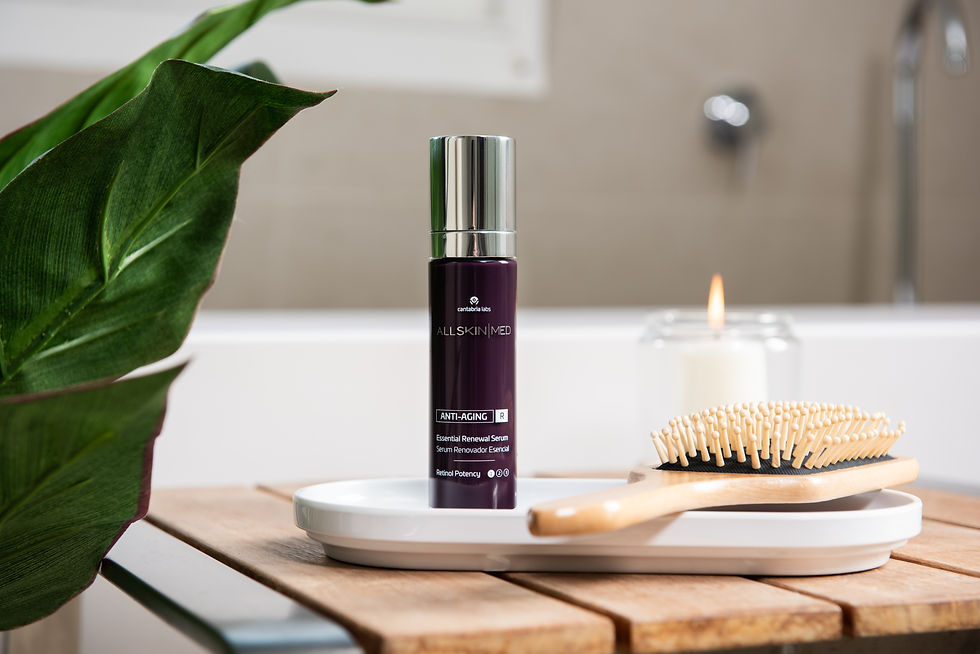
On top of the messages around the correct skin care routine and whether SPF is a must-have product (spoiler alert: it is!), retinol is an amazing product that has become the product of choice across all ages of consumers. It is viewed as a ‘must have’, however, many consumers often purchase retinol products without fully understanding how to use them and knowing how to identify a good vs bad product.
“This powerful anti-ageing ingredient raises a lot of questions,” Rosa Scialo, skincare specialist and founder of BodySense Beauty Treatments, acknowledges. “People want to know ‘what is retinol?’, ‘what age should I start using it?’ and ‘how often should I apply it to my skin?’. While those with sensitive skin steer clear of this ingredient entirely, put off by the dryness, redness, and irritation (otherwise known as the so-called ‘retinol reaction’) some have after usage.”
“But the thing is, when used and applied correctly, there shouldn't be any reaction at all,” Rosa says. “Instead, when used as intended, this game-changing ingredient is pure magic for skin — and for multiple reasons.”
What is retinol and what does it do?
In plain terms, retinol is a derivative of Vitamin A and in the beauty world, this powerful active is considered to be the gold standard of anti-ageing. We should start using it as young as our mid-to-late 20s!
“That’s because this results-driven ingredient can almost do it all,” Rosa says. From acne to wrinkles, retinol has been proven to also help with:
Pigmentation
Skin texture
Photoaging
Enlarged pores
Fine lines
Collagen production
Acne scars
So, how exactly does retinol work?
As studies show, retinol encourages cell renewal which rejuvenates the skin, making us look younger and brighter. That’s because this Vitamin A derivative increases the rate of skin cell turnover, while stimulating fibroblasts to produce more collagen, hyaluronic acid, growth factors and improve elasticity.
“As we age, our cells get a bit lazy and slow down,” Rosa says. “But retinol helps to wake them up by shedding old cells and generating fresh ones. However, the benefits are only seen if you get the delivery of retinol right.”
Explaining why, Rosa says: “Retinol gently prepares the skin for exfoliation, helping you to shed those old cells, making way for new ones.” Rosa adds, “this can make your skin more vulnerable to UV damage which is why SPF should be used daily.”
How to use retinol
There is a lot of misconception between the types of retinol, whether it is a serum or moisturiser containing retinol. This is the main concern of consumers buying off-the-shelf products without proper research or guidance from a professional. Many consumers are purchasing, either the strength for their skin type, or a product that, in reality, has very little retinol benefits (retinol in moisturisers are very guilty of this).
If you intend on using retinol as a treatment (i.e. where you’re targeting a specific skincare concern), you should use it in serum form. “This is when it’s at its highest potency,” Rosa says.
Retinol comes in different strengths and so it is highly recommended to seek professional guidance from a skin care specialist to ensure the strength and delivery is right for your skin type and skin care goals.
Just remember: if you’re using a retinol serum, only apply the product at night to help keep retinol stable, reduce irritation, and allow it to work more effectively while your skin is in recovery mode. And as I mentioned already, always remember to use SPF the day after using your retinol serum.
Whereas if you intend on using retinol for maintenance (i.e. you’ve already seen results, and want to preserve them) then you could use it in a moisturiser.
A pea-sized amount is all you need and it needs to be applied to dry skin. “If you apply to wet skin, the chances are that the water will pull the retinol into the skin much too fast,” Rosa explains. “This can result in a reaction.”
“Either way, if you’re new to using retinol, you need to start low and slow,” Rosa says. “Don’t go in full guns blazing, as slow and steady wins the race when it comes to this powerful anti-defying ingredient.”
Start your retinol journey today
So as you can see, pretty much anyone can benefit from incorporating this ingredient into their skincare regime.
“Even those with sensitive skin and acne can use retinol,” Rosa adds. “But just under the right supervision and instruction.”
At BodySense Beauty Treatments, Rosa has more than 40 years’ experience in the industry and stocks leading skincare retailer ALLSKIN | MED which is a results-driven brand shaped by science.
ALLSKIN | MED retinols are medical grade, and the pure retinol is contained in microsponges. This enables the product to be absorbed slowly and gently, giving your skin a chance to break it down more effectively.
To find out more, get in touch with Rosa via email or drop her a message on 07719 568651.


Comments